


Can Catchers Balk? What You Need to Know About the Catcher’s Balk Rule
When baseball fans think of a balk, they almost always picture a pitcher flinching on the mound, failing to come to a set position, or faking a throw to first base. But did you know that pitchers aren't the only defensive players who can trigger a balk penalty?
Many fans and even young players often ask: Can catchers balk?
While rare, a catcher's balk is a real rule in Official Baseball Rules (OBR) that can instantly advance base runners.
In this guide, we'll break down what the catcher's balk rule is, how it happens on the field, and how catchers can avoid making this costly mistake.
What Is the Catcher's Balk Rule?
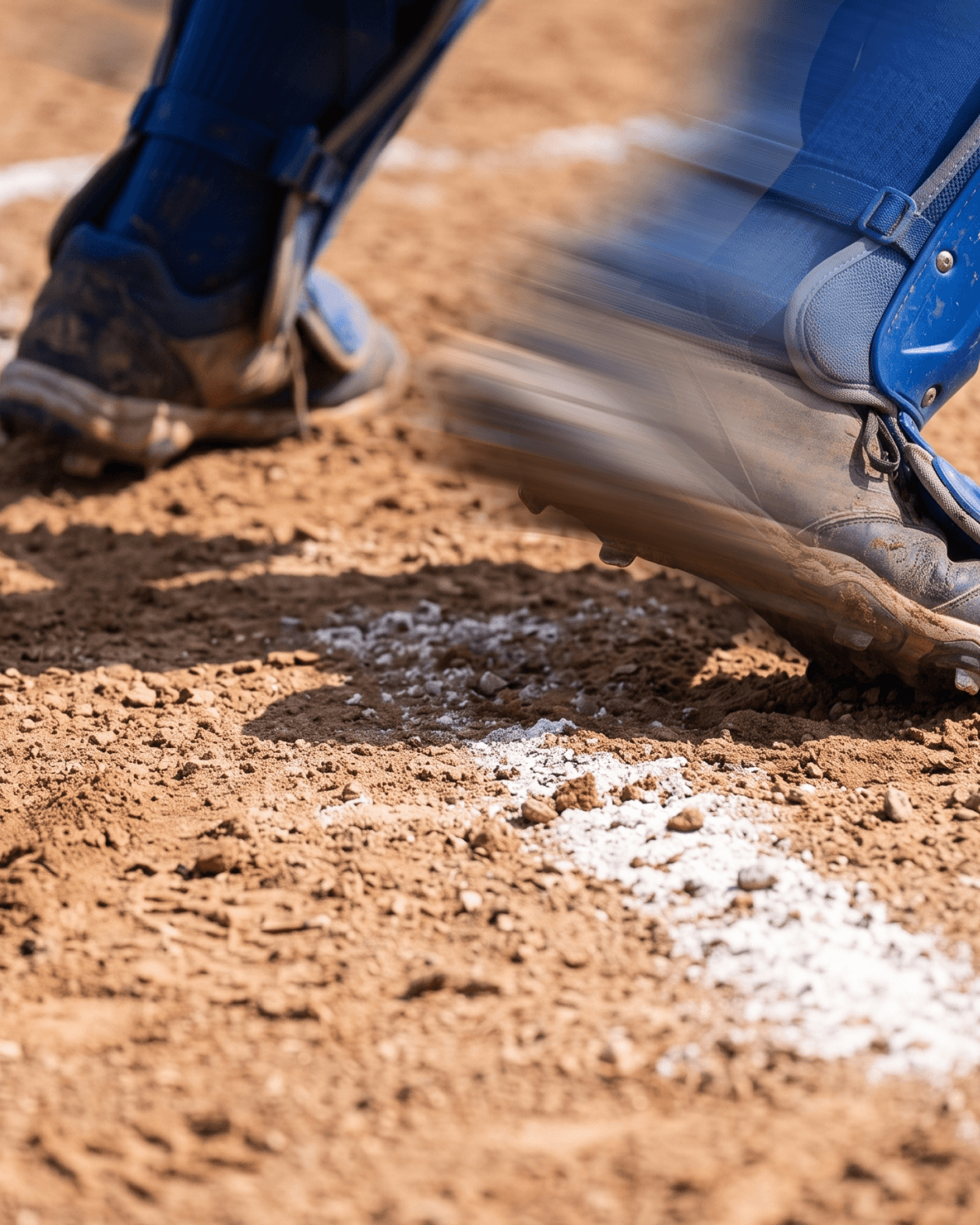
Under Official Baseball Rule 5.02(a), when a pitcher is delivering a pitch (specifically during an intentional walk or pitchout), the catcher must have both feet inside the lines of the catcher's box until the ball leaves the pitcher's hand.
If the catcher steps outside or leaves the catcher's box before the pitch is released, the umpire calls a catcher's balk.
Primary Scenarios That Lead to a Catcher's Balk
Watch: Can Catchers Balk?
Check out this quick clip from our team answering the question: Can a catcher balk?
- Base Advancement: All runners currently on base advance one base automatically.
- Dead Ball / No Pitch: The pitch itself is declared a dead ball (or ignored if it results in an advance on a hit/error under specific interference rulings).
- Bases Empty Scenario: If there are no base runners on, a catcher leaving the box early is simply ruled an illegal pitch, adding a "Ball" to the batter's count rather than advancing runners.
How Catchers Can Avoid a Balk
For catchers commanding the field, avoiding a balk comes down to discipline and proper footwork:
So, can catchers balk? Absolutely. While pitchers draw most of the umpire's scrutiny when it comes to balk calls, catchers must remain disciplined behind the plate to avoid gifting free bases to the opposing team.
Want to sharpen your catching technique and commanding presence on the field? Explore more position guides and training breakdowns on Field General.
Read more
Stepping behind the plate requires grit, skill, and the right gear to keep you safe. From NOCSAE-certified chest protectors to essential accessories like knee savers and throat guards, our complete...

Most catcher's gear sets last 2–5 seasons — but not every component wears at the same rate. Helmets face the tightest timeline due to NOCSAE certification windows, while quality leg guards and ches...
Leave a comment
All comments are moderated before being published.
This site is protected by hCaptcha and the hCaptcha Privacy Policy and Terms of Service apply.