


One Knee Down vs. Traditional: The Modern Catcher's Stance Guide
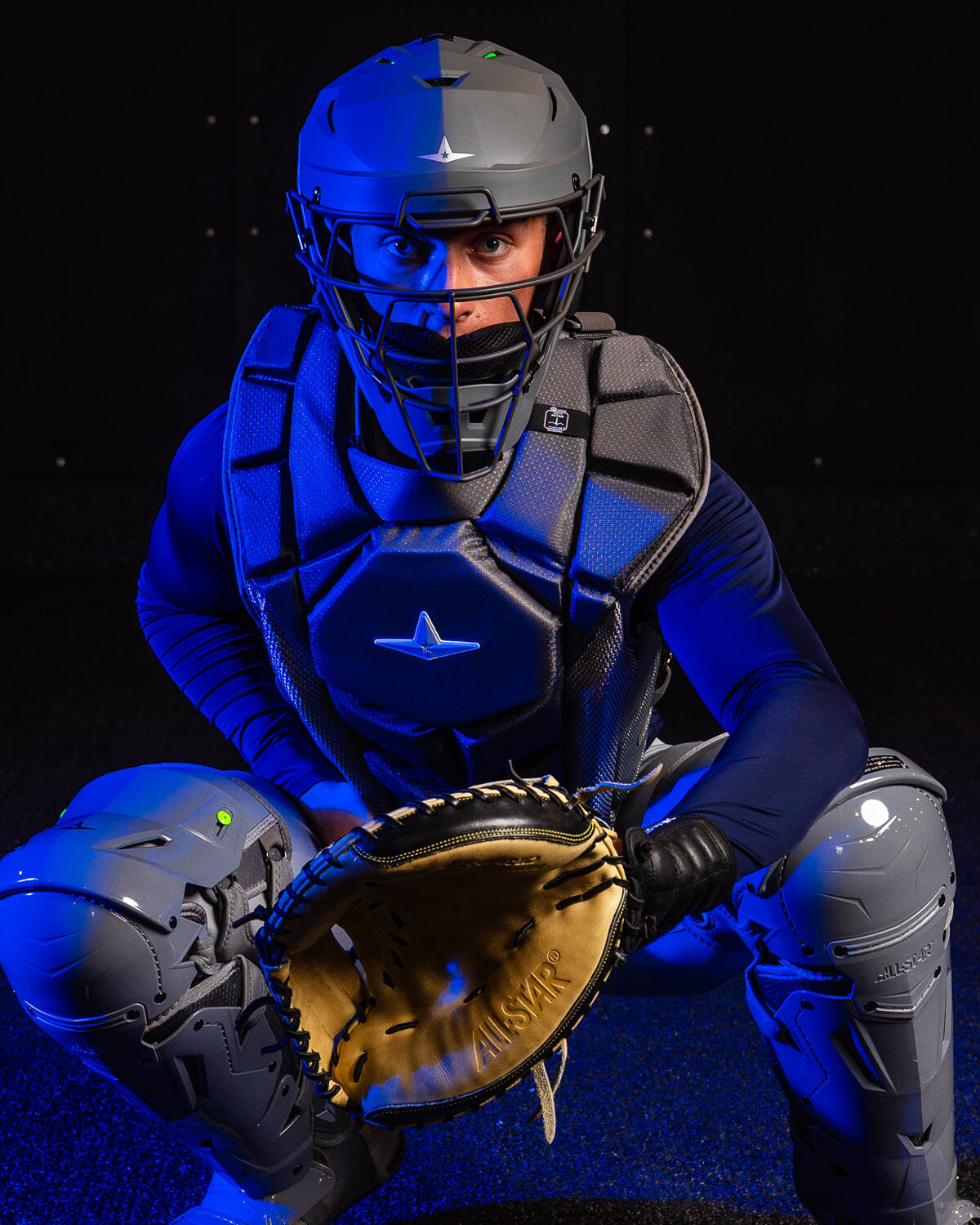
Mastering the Catcher Stance: How to Choose the Best Setup for Your Game
The catcher's stance is the foundation of every pitch, block, and throw on the field. Choosing the best catcher stance directly impacts framing strikes, blocking errant pitches, and throwing out runners on the basepaths. Modern baseball has seen a massive shift in how catchers set up behind the plate, moving away from old-school rules toward biomechanical efficiency.
Understanding the mechanics of both traditional stances and modern variations is critical for developing consistency behind the plate.
The Core Stances: Primary vs. Secondary
Every catcher needs two fundamental setups depending on the game situation:


- Primary Stance (No Runners On, Fewer Than Two Strikes): Focused entirely on comfort, target presentation, and pitch framing. The goal is giving the pitcher a low, steady target while conserving energy over a long game.
- Secondary Stance (Runners On, Two-Strike Counts): Higher weight distribution, wider base, and elevated hips. Designed for explosive mobility to block low pitches in the dirt or transition quickly into a throw to second base.
Traditional Catcher Stance vs. One Knee Down


The biggest debate in modern catching centers around the one knee down catcher stance versus the traditional squatted catcher stance. Here is how the two approaches compare:
|
Feature |
Traditional Stance |
One Knee Down (OKD) Stance |
|
Setup |
Balanced, deep squat on balls of feet |
One knee rested directly on the ground |
|
Primary Focus |
Maximum mobility for blocking & throwing |
Low-border strike framing & fatigue reduction |
|
Pitch Framing |
Moderate; harder to present low pitches |
Superior; natural low center of gravity |
|
Blocking Ease |
Fast side-to-side lateral push |
Requires specific knee-slide technique |
|
Physical Strain |
High strain on knees, hips, and lower back |
Significantly reduces lower-body fatigue |
Choosing the Best Catcher Stance for Your Game
Finding the best catcher stance depends on game context and physical ability. High-level catchers mix both styles rather than sticking to just one:
- Use One Knee Down when no runners are on base to maximize low-strike framing efficiency and keep legs fresh deep into late innings.
- Switch to Traditional Secondary when speedsters are on base or in high-risk blocking situations to ensure immediate power output.
By mastering both techniques, you control the zone, protect your body, and command the defense from pitch one.
Gear up for your next game at Field General
Mastering your stance is only half the battle—having the right protection behind the plate gives you the confidence to frame, block, and lead your defense without second-guessing. At FieldGeneral.com, we carry premium catcher's gear sets, mitts, and accessories designed for maximum mobility, top-tier protection, and durability at every level. Whether you are setting up in a traditional squat or moving to a modern one-knee-down stance, upgrade your setup with gear engineered to keep you performing at your best.
Read more
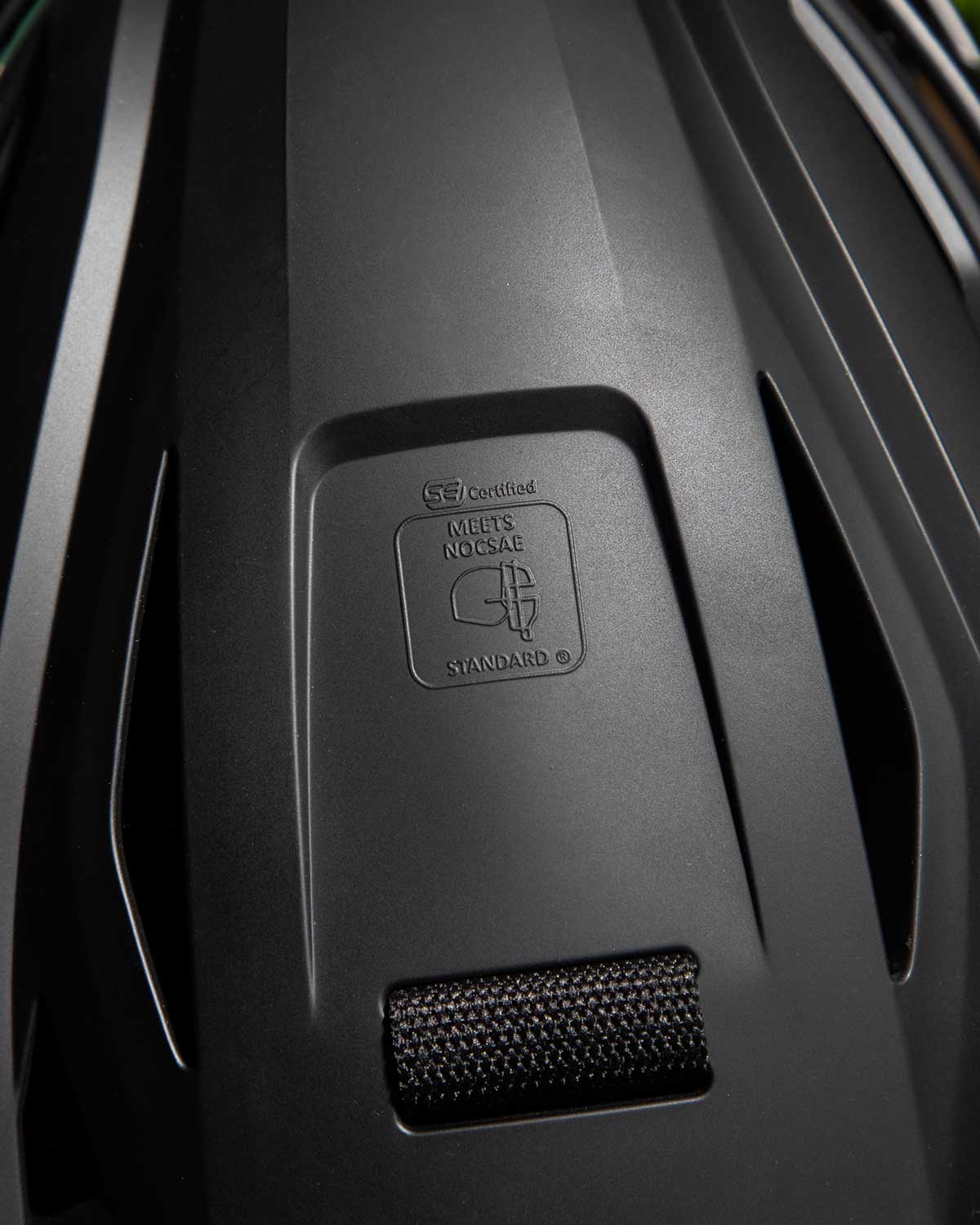
Behind every great catcher is a wall of protection. But is your gear actually league-compliant? From the critical heart-shielding ND200 chest protectors to hockey-style helmets, here is everything ...
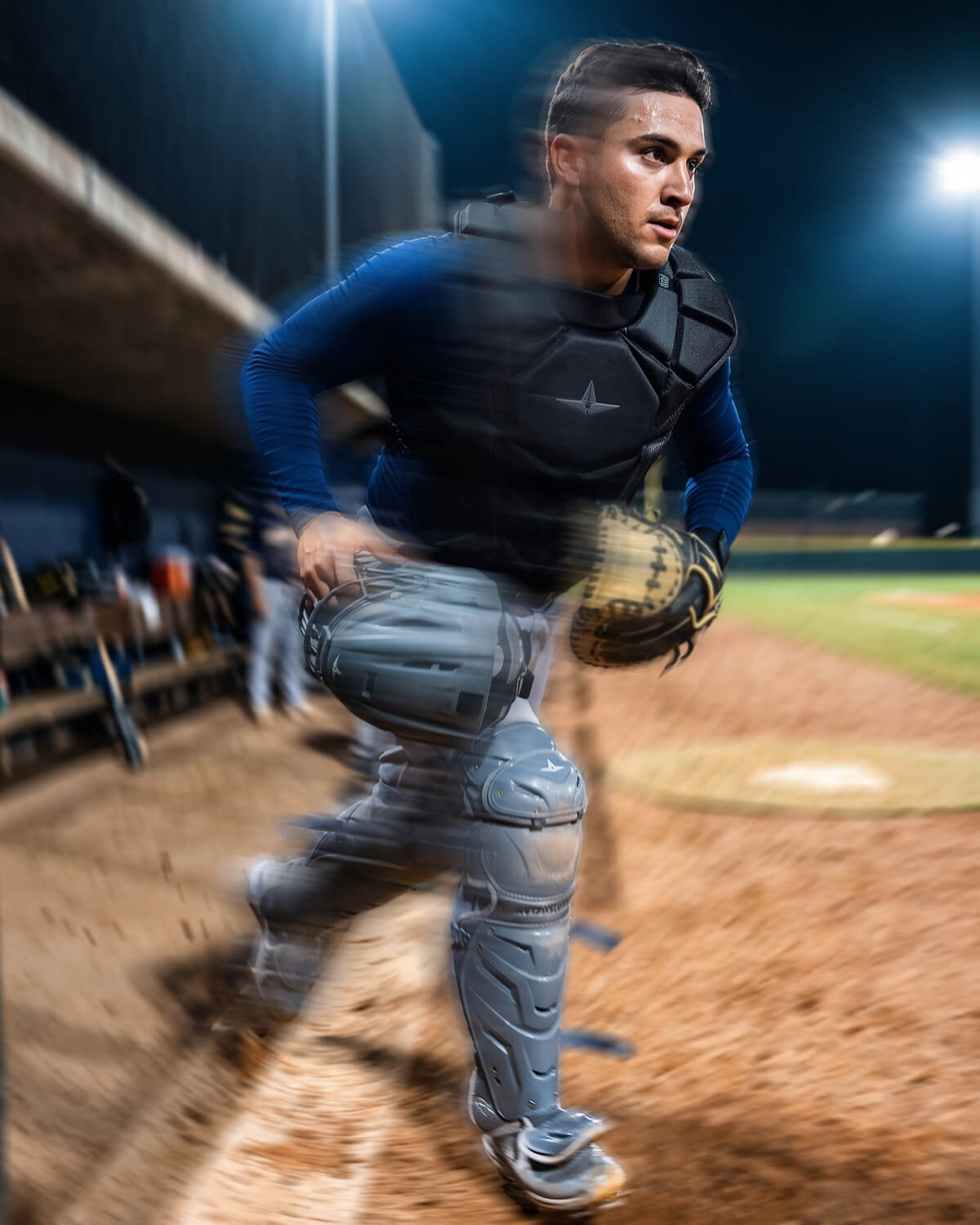
Ever wondered how fast catchers can put their gear on before the umpire calls "Play ball"? Between-inning timers move fast, and an elite backstop needs to strap on their equipment in 45 seconds o...
Leave a comment
All comments are moderated before being published.
This site is protected by hCaptcha and the hCaptcha Privacy Policy and Terms of Service apply.