


How Fast Do Catchers Need to Put On Their Gear? Experts Explain
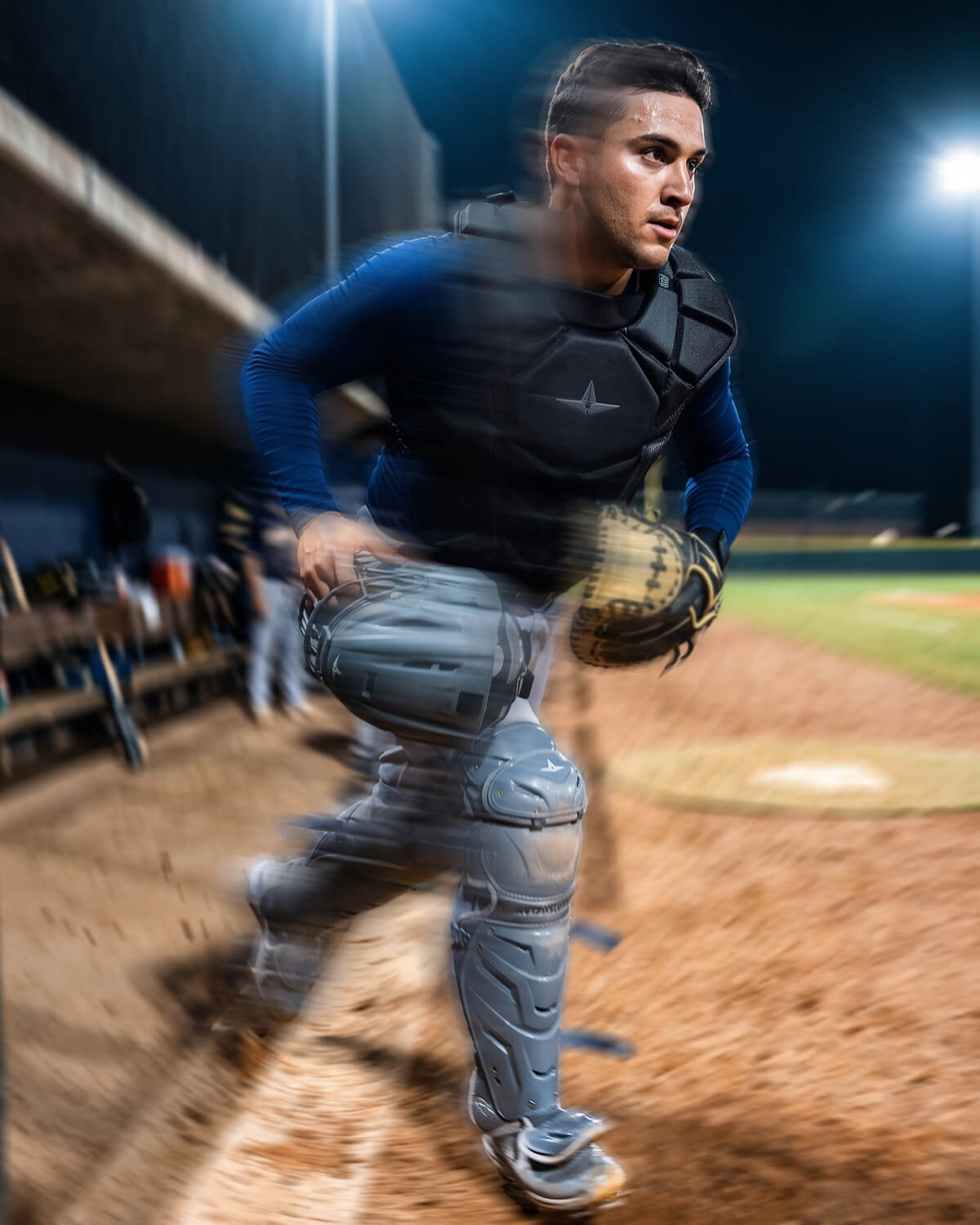
Every catcher knows the drill: the 3rd out is made, the defense sprints onto the field, and you have roughly 90 to 120 seconds before the umpire calls "Play ball." In that tight window, catchers have to throw on a helmet, chest protector, and shin guards, grab their mitt, and jog out to warm up their pitcher.
So, how fast can catchers put their gear on?
For seasoned youth and high school players, a standard gear-up takes 45 to 60 seconds. Elite, experienced catchers can gear up in under 30 seconds, and in extreme speed-run challenges, some pro and college backstops have strapped everything down in as little as 15 to 20 seconds.
Let’s break down what determines a catcher's speed, why time management behind the plate matters, and how you can shave valuable seconds off your gear-up routine.
How Fast Do Catchers Need to Get Ready?
In official baseball and softball rules, between-inning breaks are strictly timed. At the high school level, teams generally get 1 minute and 30 seconds between half-innings. In Major League Baseball, between-inning timers range from 2 minutes to 2 minutes and 25 seconds depending on broadcast requirements.

However, how fast do catchers need to get ready?
Much faster than the clock allows!
A catcher isn't just putting on equipment—they also need to catch 5 to 8 warm-up pitches with their pitcher to calibrate throwdowns and feel out pitch movements for the upcoming inning.
If you take 90 seconds just to suit up, your pitcher loses their warm-up rhythm, the umpire gets impatient, and your team risks a delay-of-game penalty.
Ideally, a catcher should be fully geared up and stepping behind the plate within 45 seconds of the last out.
Watch: The Speed-Run Catcher Gear Challenge
To see what true speed behind the plate looks like, check out this lightning-fast gear-up challenge:
Want to test your speed? Try timing yourself at your next practice to see if you can beat this time!
4 Ways to Shave Seconds Off Your Gear-Up Routine
Getting your catcher's gear on quickly comes down to preparation and habit. Here are four practical tips every Field General catcher should use to speed up their transitions:
1. Leave the Straps Set
Never unbuckle every strap on your gear when taking it off. Leave your shin guard bottom straps preset to your size and unhook only the top or middle clips. For chest protectors, leave one side permanently clipped so you can slip it over your head like a shirt.
2. Organize Your Dugout Station
Don't let your gear get scattered across the bench. Keep your shin guards, chest protector, helmet, and mitt nested together in a designated spot at the top of the dugout steps so it’s ready the moment the 3rd out occurs.
3. Get Help When You're On Base
If you're on base or at-bat when the 3rd out happens, ask a teammate or bench coach to hold your gear ready at the dugout railing. Having a teammate clip your top shin guard straps while you fasten your chest protector cuts your gear-up time in half.
4. Upgrade to Quick-Release & Ergonomic Gear
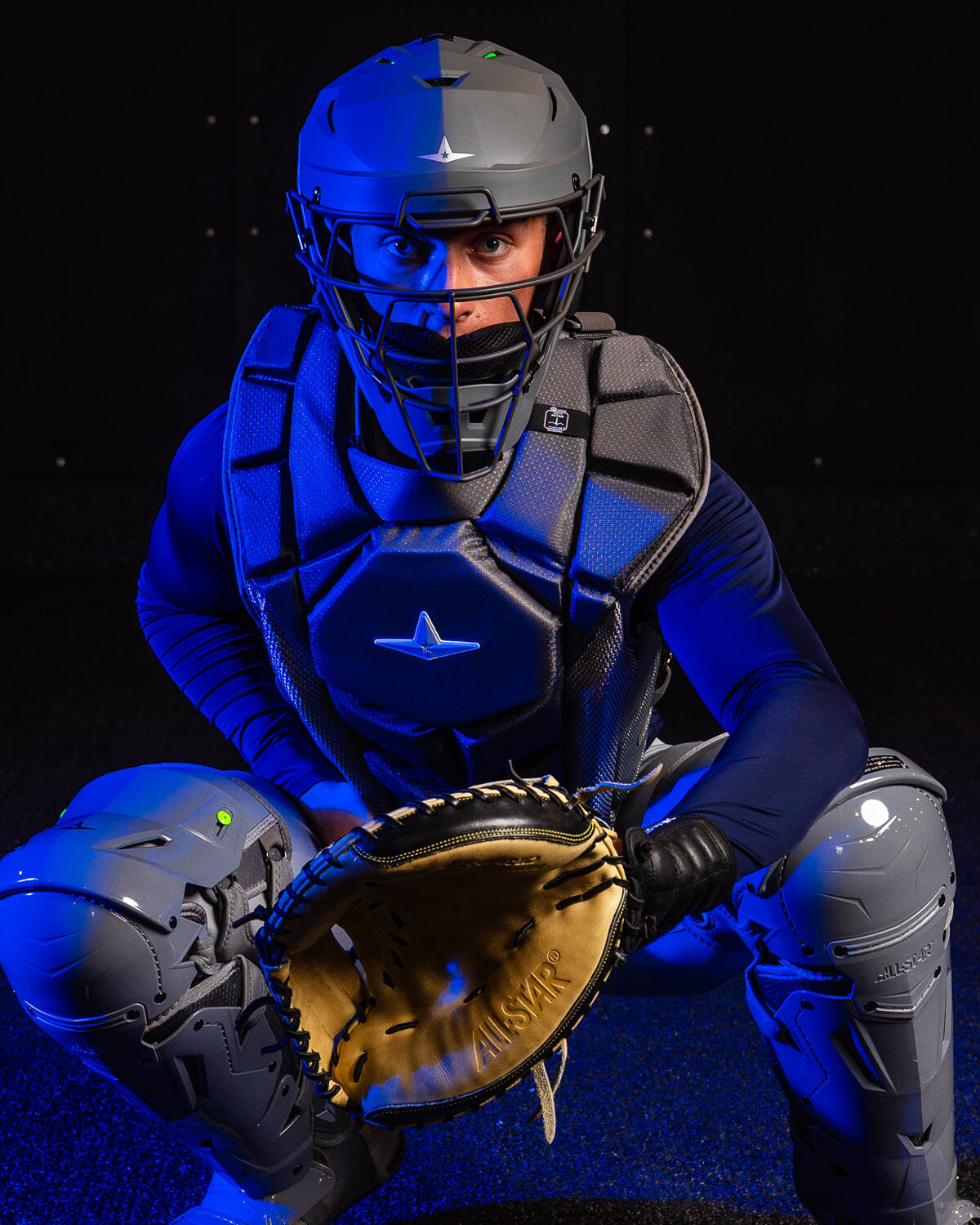
Modern gear engineered specifically for mobility makes a massive difference. Equipment with quick-snap harnesses, adjustable DeltaFlex straps, and lightweight composite shells allows for faster adjustments and zero hassle when gearing up under pressure.
Gear Up Faster with Field General
Being a leader behind the plate means setting the tempo for your entire team. By streamlining your routine and staying organized, you keep your pitcher warm, control the game pace, and demonstrate the focus required of a top-tier catcher.
Looking for durable, high-performance catcher's gear designed for fast transitions and maximum protection? Check out the latest lineup at FieldGeneral.com.
Leave a comment
All comments are moderated before being published.
This site is protected by hCaptcha and the hCaptcha Privacy Policy and Terms of Service apply.