


How to Wash, Deodorize, and Clean Catcher's Gear
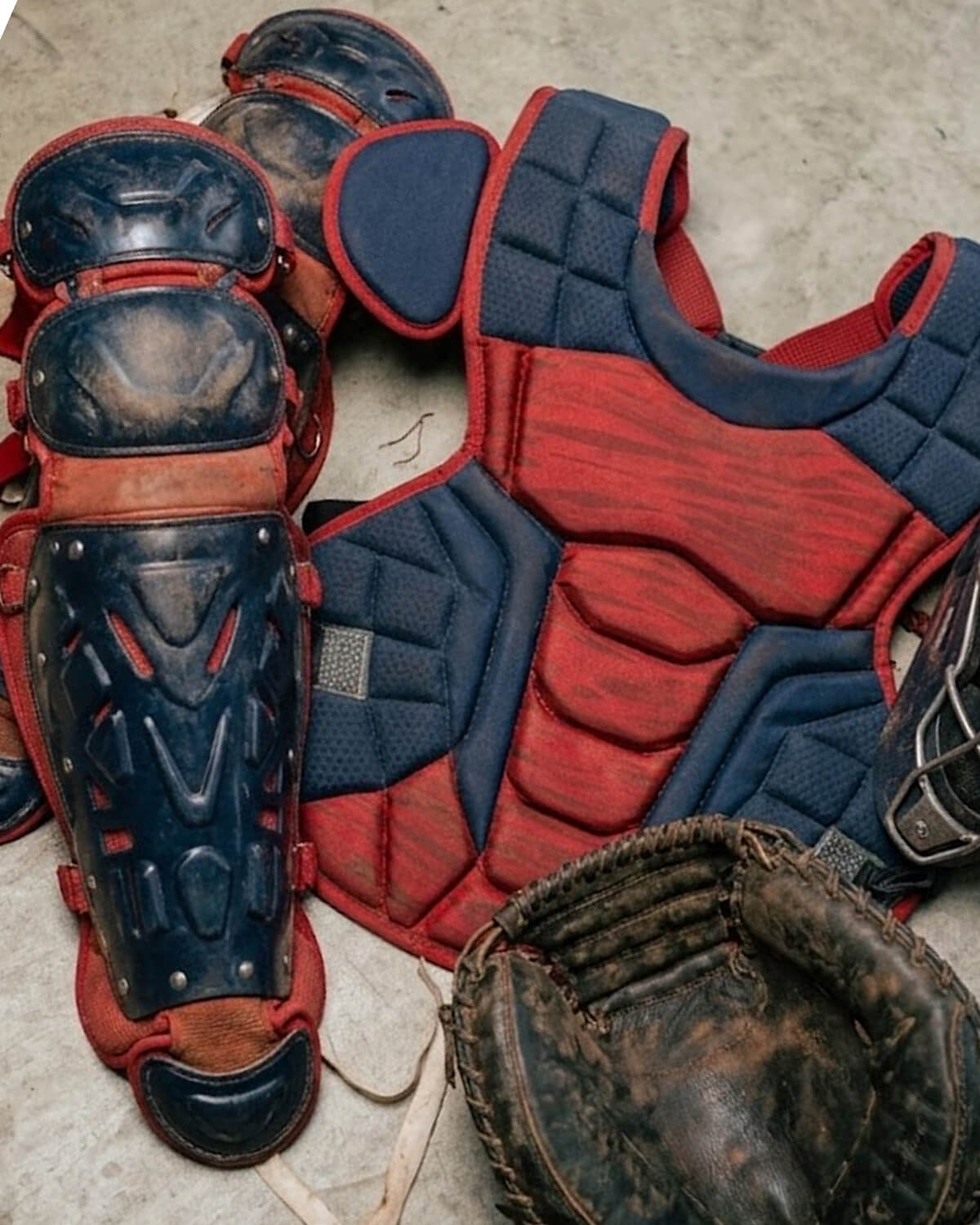
Catchers are the unsung anchors of the baseball and softball diamond. You spend seven to nine innings in a squat, blocking balls in the dirt, taking foul tips off your chest, and sweating through doubleheaders in the summer heat. By mid-season, that hard-earned hustle turns into thick red dirt stains, chalk buildup, and an unmistakable smell that can clear out the dugout.
Knowing how to clean catcher's gear isn’t just about keeping your kit looking sharp—it directly impacts your protection, equipment longevity, and personal hygiene. Bacteria and dirt build up rapidly in padded linings and leather mitts, causing straps to break down, rivets to rust, and internal foam to lose shock resistance over time.
In this guide, we break down step-by-step how to sanitize and restore your entire setup, including exact recommendations on what to use to clean catcher's gear without damaging technical fabrics or protective shells.
What to Use to Clean Catcher's Gear: The Safe Checklist
Before scrubbing away, it’s critical to use the right solutions. Harsh chemical cleaners, bleach, or running gear through a high-heat washing machine or dryer cycle can warp plastic, melt foam inserts, and dry out high-grade leather mitts.
- Mild Dish Soap or Mild Liquid Laundry Detergent: Avoid cleaners with optical brighteners, harsh bleach, or heavy synthetic fragrances.
- Warm Water & Buckets: Warm water breaks down grime without dissolving the thermal adhesives holding foam padding together.
- Soft Bristle Scrub Brush & Microfiber Cloths: Ideal for removing dirt from facemasks and shin guard grooves without scratching protective surfaces.
- Enzyme-Based Sports Spray / Gear Deodorizer: Breaks down organic, odor-causing bacteria trapped in dense foam.
- Leather Cleaner & Conditioner: Essential for maintaining your catcher's mitt and leather strap accents.
How to Clean the Catcher's Helmet & Facemask
Your helmet takes direct sweat, dirt, and high-velocity impacts. Cleaning it regularly prevents skin breakouts on your forehead and jawline while keeping your sightlines clear.
How to Clean Chest Protectors & Shin Guards
Chest protectors and leg guards absorb the bulk of field dust, mud, and sweat.
Step 3: How to Clean & Condition a Catcher's Mitt
Your mitt requires a specialized approach—excessive water is leather's worst enemy.
Proper Drying & Storage
Never place catcher's gear in a clothes dryer or leave it baking in direct sunlight for extended periods. Extreme heat causes plastic shells to warp, straps to lose elasticity, and protective foam to break down.
Hang your chest protector and shin guards on heavy-duty hangers in a cool, well-ventilated space (like a garage or shaded porch). Apply an enzyme-based deodorizing spray immediately after every game or practice to stop bacteria from settling in during the drying process.
Is Your Catcher's Gear Beyond Repair or Cleaning?
Even with meticulous care and regular cleaning, every catcher eventually reaches the point where internal foam breaks down, elastic straps lose their tension, or hard plastic shell plates crack under heavy impact. Your safety and performance behind the plate are too important to risk on worn-out or compromised equipment.
If your catcher's gear is beyond repair or cleaning, it's time to gear up at Field General! Explore our elite collection of high-performance catcher's sets, chest protectors, leg guards, and premium catcher's mitts engineered for supreme comfort, agility, and protection.
Read more
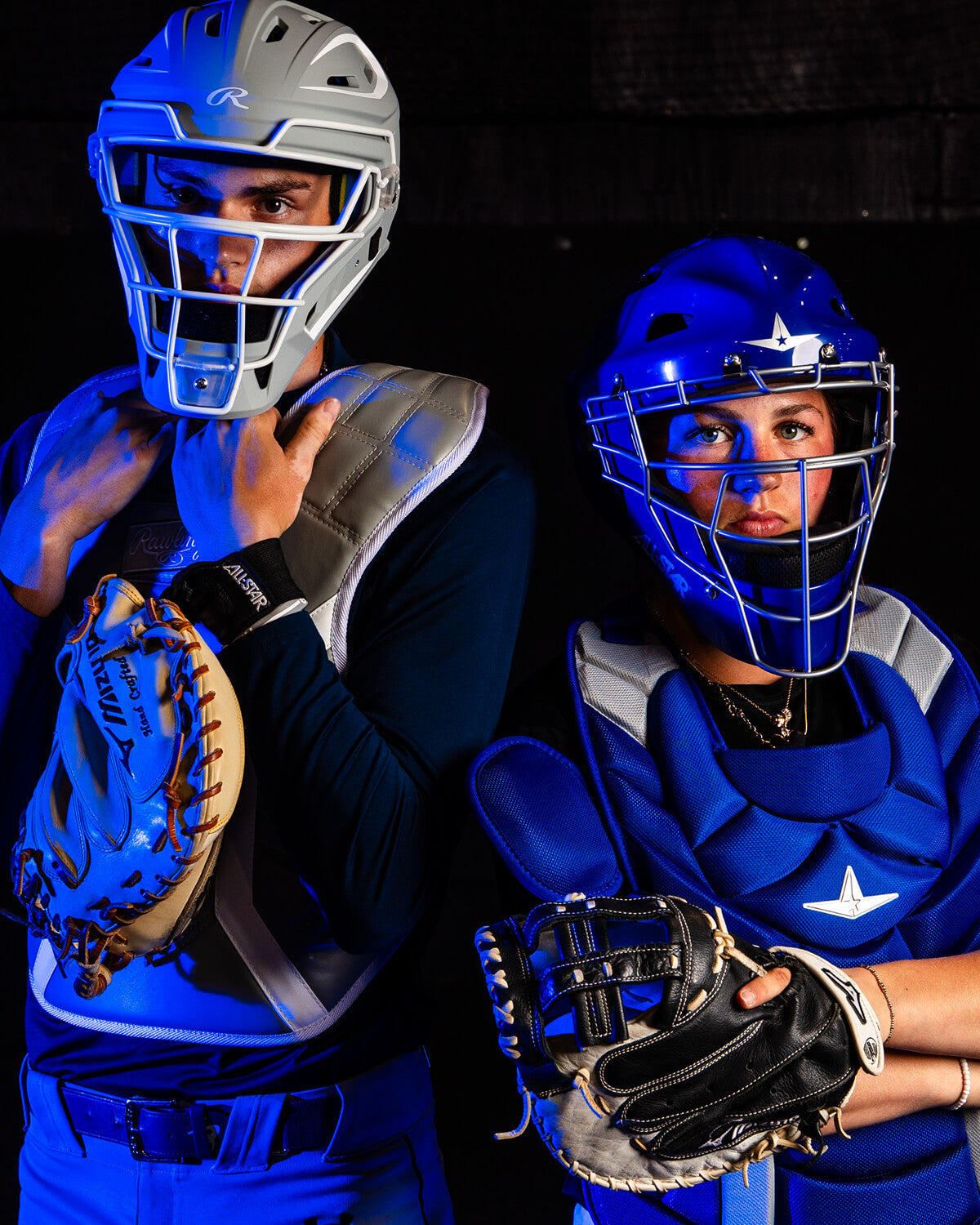

Salvador Perez talks catching gear tech, the one-knee stance, Gold Gloves, ABS, and Venezuela baseball in an exclusive Field General x Rawlings interview.
Leave a comment
All comments are moderated before being published.
This site is protected by hCaptcha and the hCaptcha Privacy Policy and Terms of Service apply.